Overview
The Soul of Africa
A country with both Africa’s highest and lowest points: Kilimanjaro and Lake Tanganyika. It has some of the continent’s most impressive game parks and a coastline of pearly white beaches perfect for sun-worshipping. And to top it all, it’s one of Africa’s most stable nations, making its many treasures all the more accessible.
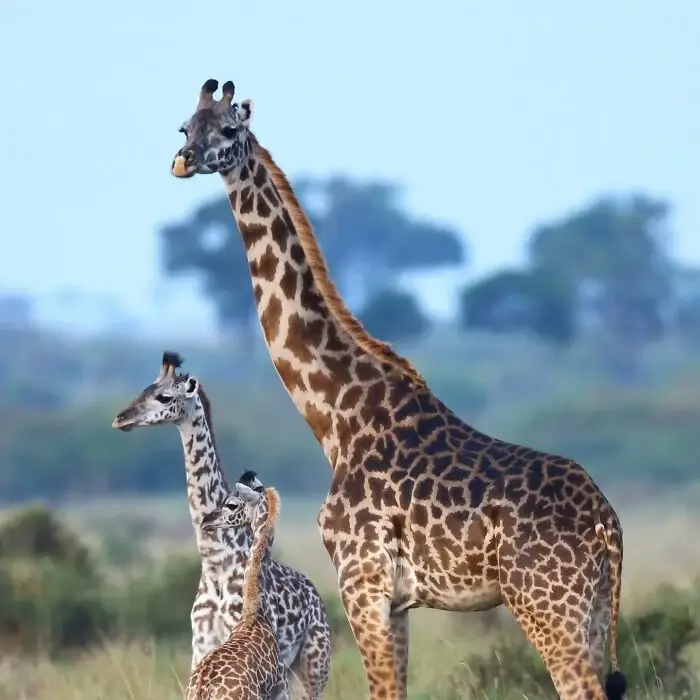
Tanzania boasts of its abundant wildlife, unique cultures, and beautiful beaches. Over 38 percent of Tanzania’s land is put aside in protected areas for conservation. 17 National Parks, 29 Game Reserves, 40 controlled conservation areas, and Marine Parks all make Tanzania an incredible safari destination in East Africa.
Attractions In Tanzania
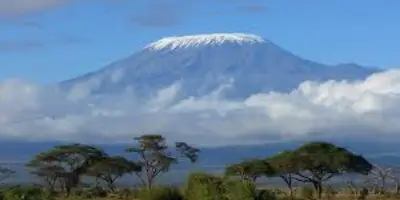
Mountain Kilimanjaro.
Mount Kilimanjaro is a spectacular volcano, also most referred to as Africa’s roof. It is a free-standing Mountain, located in Tanzania rising at an altitude of 5895m. It is a UNESCO World Heritage Site. Mount Kilimanjaro is lying in the Northern side of Tanzania, and nearby towns include Moshi town. Accessing this volcano is also easier from Kilimanjaro International Airport. Over 20,000 climbers each year visit Tanzania to hike through Mount Kilimanjaro.
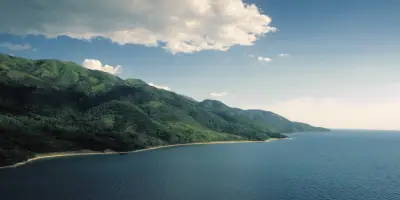
Lake Tanganyika.
Lake Tanganyika is the world’s longest (660km), deepest in Africa and second-deepest in the world (more than 1436m) and second-largest (by volume) freshwater lake. At somewhere between nine and 13 million years old, it’s also one of the oldest. Thanks to its age and ecological isolation it’s home to an exceptional number of endemic fish, including 98% of the 250-plus species of cichlids. Cichlids are popular aquarium fish due to their bright colours, and they make Tanganyika an outstanding snorkelling and diving destination.
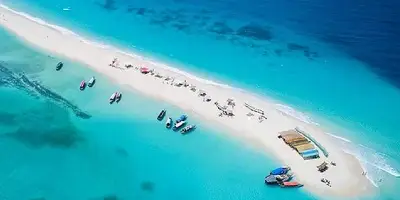
Zanzibar Beaches.
Zanzibar isn’t only a tourist destination, but also a semi-autonomous region from Tanzania. This spectacular island lies along the Indian Ocean, lying along the Swahili Coast near mainland Tanzania. Most holidaymakers flock into this charming island for beach and honeymoon experiences.